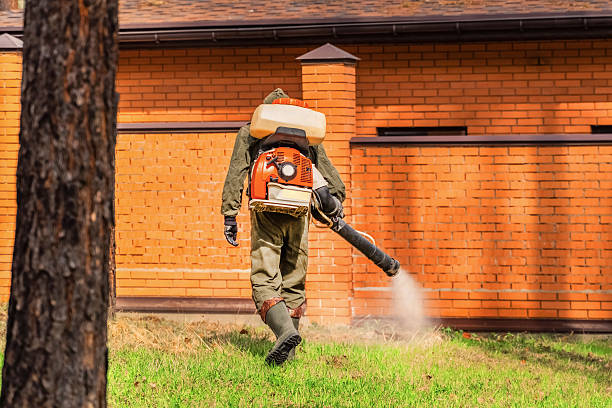
Mosquito barrier sprays kill adult mosquitoes in treated vegetation -- and they work, for about 21 days. What brings them back is the larval population developing in standing water on and around your property. Show Me Pest Control addresses both in Fayetteville, not just one.
Standing water -- gutters, containers, low-lying depressions
Subsurface in standing water -- feeding, developing
Pre-adult stage -- still in standing water, not yet flying
The mosquitoes you see and feel -- only 5% of the problem
Barrier spray handles the adult population. Larval source reduction handles the breeding population. Both are addressed on every visit.
Our property walk identifies every larval source -- including the ones that do not look like water sources. A bag of dirt, a tarp fold, the saucer under a plant pot, a low gutter -- any water that stands for a week produces mosquitoes. We document each source and address them all.
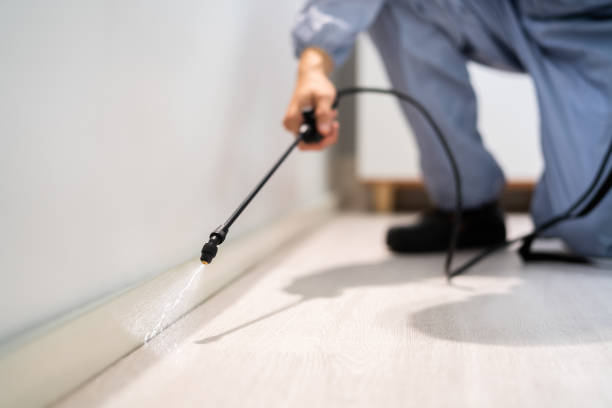
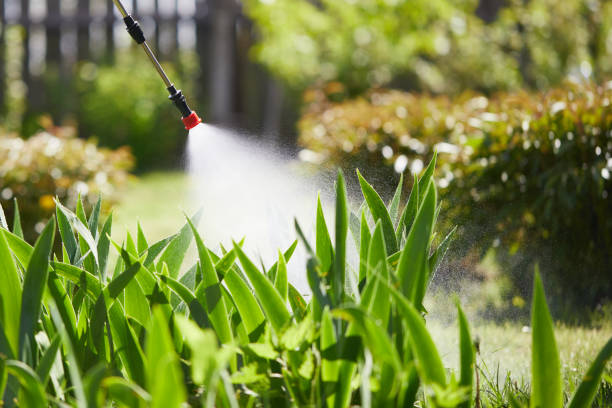
The barrier spray targets where adults rest, not where they fly. Adult mosquitoes spend nearly all of their inactive hours resting in low shaded vegetation near the ground. We treat those zones thoroughly with long-residual professional formulations.
For standing water sources that cannot be removed -- a pond, a drainage feature, a rain barrel -- we apply a biological larvicide that kills mosquito larvae at the water's surface without harming fish, frogs, birds, or pollinators. The active ingredient is species-specific to mosquitoes and related flies.
We structure the program around your property. Properties with high larval source load or significant adjacent water pressure need monthly visits. Lower-pressure properties can run every 6 to 8 weeks. We assess your specific situation and build the schedule that keeps pressure low throughout the season.
A single female mosquito can lay 100 to 300 eggs in one session, depositing them in any standing water large enough to cover a coin. Those eggs develop from larva to adult in 7 to 14 days depending on water temperature. The key insight here is scale: a property with five or six unaddressed standing water sources -- a clogged gutter, two low depressions in the lawn that hold water after rain, an ornamental container, and a tarp fold -- is producing hundreds of new adult mosquitoes every week regardless of how often the vegetation is sprayed. The larvae in those water sources are insulated from any surface treatment applied to the yard and landscape. Gutters are the most consistently overlooked source on residential properties -- they hold warm, organic-rich water and are rarely inspected during a mosquito service visit. A single 20-foot gutter section holding stagnant water can produce thousands of adults per week during peak season.
Barrier sprays are effective for the population of adults currently present in the vegetation at the time of treatment and for the adults that emerge and contact treated surfaces during the residual period. What they do not address -- and cannot address -- is the larval population actively developing in standing water on and around the property during that same window. Larvae in standing water are completely protected from surface adulticide applied to vegetation. They emerge as adults when their development is complete and populate the vegetation. If no larvicide program is in place, the larval pipeline is continuously producing new adults on a two-week cycle throughout the season.
Mosquito pressure back within days of treatment in Fayetteville? Call +1-866-315-0243. A Show Me Pest Control technician in Fayetteville identifies every larval source, treats the resting vegetation, and explains what to maintain between visits.
The standing water sources that produce the most mosquitoes are frequently not visible from ground level. Gutters are consistently the largest single source on residential properties -- the water is warm, organic-rich, and undisturbed, making it ideal for mosquito development. Properties with clogged gutters may be producing thousands of adults per week from the gutters alone. Low spots in the lawn that hold water for 5 to 7 days after rain, drainage edges along fence lines, containers in landscape beds, and any item that holds even a small amount of water are all breeding sites. We locate them all, address what we can, and document what you can address between visits.
Disease context is relevant to why professional mosquito control is a health measure and not solely a comfort one. West Nile virus is transmitted by Culex mosquitoes that are established throughout Fayetteville, NC, with cases confirmed every season. The risk level varies by county and by year depending on bird population dynamics and temperature patterns. Eastern equine encephalitis, while less common, has a severe outcome profile and circulates in regions of Fayetteville, NC with appropriate habitat. The correct framing for mosquito control is not that every bite carries a specific risk -- it does not -- but that maintaining mosquito pressure below a certain threshold across a full season reduces cumulative bite exposure and the associated risk of vector-transmitted disease. A program that keeps adult populations consistently low across the full season is more effective from a health standpoint than a single treatment before a specific outdoor event. Show Me Pest Control structures programs to provide continuous pressure reduction from the beginning of the mosquito season through the first seasonal cold that collapses the active population.
We locate your larval sources, assess adult resting zones, and explain both halves of the treatment plan before starting.
Call +1-866-315-0243Six services covering adult knockdown, larval source treatment, and recurring seasonal programs.
Assessment covers gutters, lawn depressions, containers, ornamental features, drainage edges, and any item holding water for 7 or more days.
We treat where adults actually are, not where they fly. Low shaded vegetation within two feet of the ground is the target zone.
For water sources that cannot be removed -- ponds, rain barrels, drainage features -- larvicide application prevents the larval pipeline from producing new adults.
Monthly program timing ensures each treatment is applied before the residual from the previous one expires -- continuous below-threshold adult pressure through the season.
One-time treatment for graduations, parties, weddings, and outdoor gatherings. We confirm scheduling and timing on the call.
For properties in areas of Fayetteville, NC with deer tick or lone star tick pressure -- tick and mosquito combined programs provide efficient coverage for both pests.
Property mapped, both halves treated, schedule set -- in order.
Full property assessment precedes treatment. We find the sources your previous service may have missed before selecting the treatment approach.
Residual barrier applied to all identified adult resting zones in a single visit.
Every untreatable water source receives larvicide. Treatable sources are documented and explained so you can address them between visits.
Follow-up timing is set to maintain residual coverage. You receive advance notice before each visit and can adjust as needed.
Customers who experienced the two-part protocol for the first time after previous services that treated only one half of the problem.
We had tried two spray companies. Both worked for about 10 days. Show Me Pest Control found 7 standing water sources on our property we did not know about -- including gutters holding water we had never checked. Treated all the sources, applied the barrier spray, scheduled monthly visits. First full summer we have actually used the backyard.
Outdoor graduation party in June. Called Show Me Pest Control a few days out. Event prep treatment applied 48 hours ahead. Zero mosquito complaints from 60 guests at an evening party. We had no idea what a difference it would make. Monthly program started the following week.
We have an ornamental pond in the backyard. The previous mosquito service would not treat it -- they said they were not authorized to apply anything near water. Show Me Pest Control applied Bti to the pond, treated all the resting vegetation, and explained what mosquito dunks to use between visits. The pond is still there. The mosquitoes from it are not.
We find the sources, treat both halves, and schedule your seasonal program. Call +1-866-315-0243.
Call +1-866-315-0243